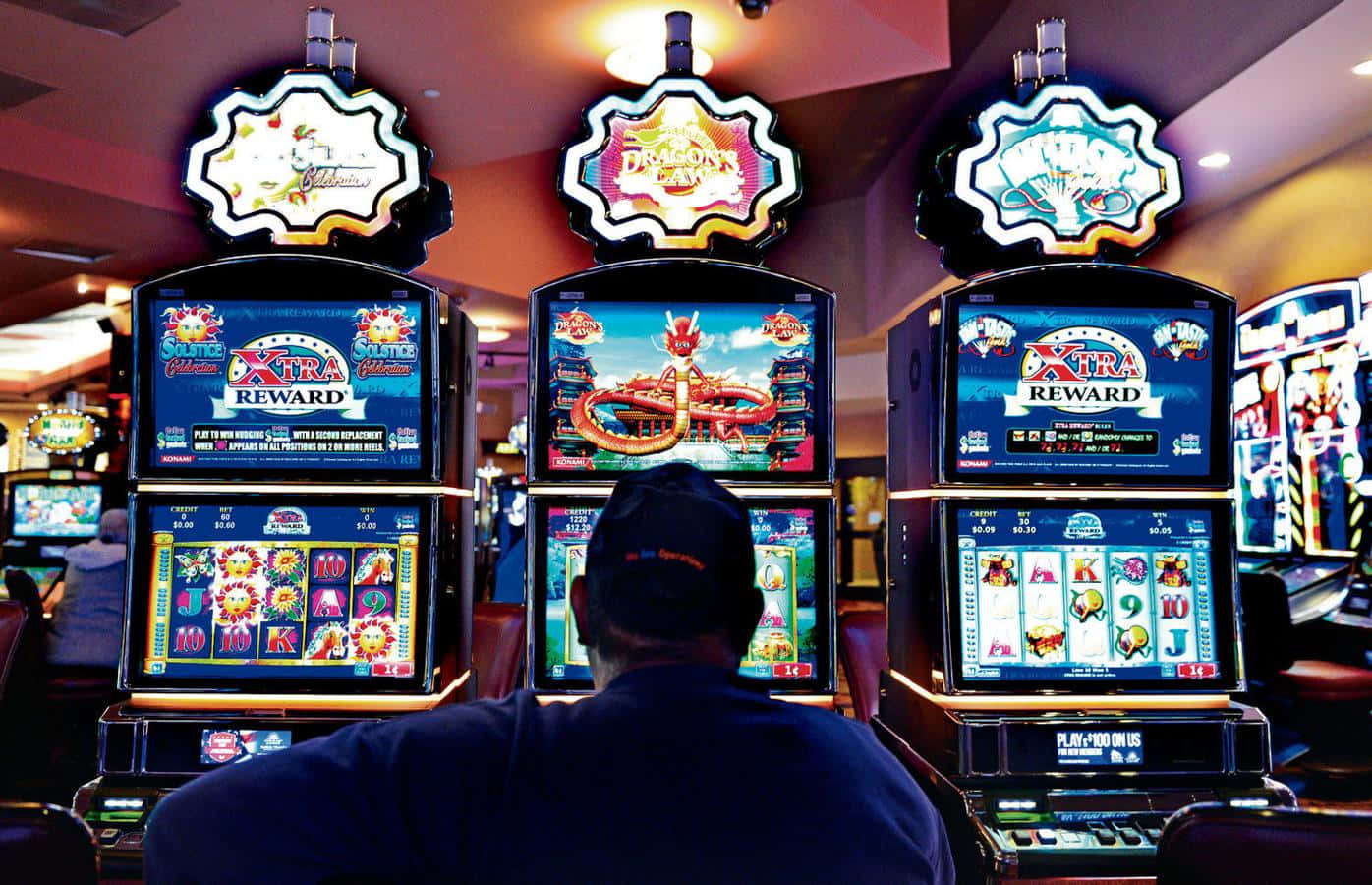
A casino bankroll is not a pile of spare cash waiting for a dramatic plot twist. It is the amount you have already decided you can spend on gambling without affecting rent, bills, savings, or other priorities. Setting that boundary before opening a game makes it easier to treat casino play as entertainment rather than an improvised financial strategy.
Good bankroll management starts with clear rules, not lucky charms or confident predictions. A useful first step is to read about bugattishoesaustralia.com and then apply the same habit of checking details before committing money: understand what you are spending, where it goes, and when you will stop. Casino games involve risk, and no budgeting method can turn them into a reliable source of income.
Set a Gambling Budget Before You Play
Choose a fixed amount from genuinely discretionary funds. “I can probably replace it next payday” is not a budget; it is a small financial cliff wearing a friendly hat. Keep gambling money separate from funds intended for necessities, debt payments, emergency savings, or shared household expenses.
It can help to set both a session limit and a longer-term limit. A session cap controls one visit or online session, while a weekly or monthly cap prevents several modest deposits from quietly becoming one substantial expense. When either limit is reached, stop. Do not raise it because a game feels close to paying or because the last spin was disappointing.
Make the limits concrete
- Decide an amount: Set a maximum you can lose without financial strain.
- Choose a time limit: Decide when the session ends, whether you are ahead or behind.
- Keep spending visible: Review deposits and withdrawals instead of relying on memory.
- Protect essential money: Never use credit, bill money, or funds borrowed from someone else to gamble.
- Take breaks: A pause makes it easier to notice frustration, fatigue, or impulsive decisions.
Match Bet Size to Your Bankroll
Bet size shapes how quickly a bankroll can change. A series of large wagers may produce sharp swings; smaller wagers often allow more rounds before the session budget is used. Neither approach guarantees a favorable result. Lower stakes are a way to manage pace, not a secret route around the house edge.
Consider this simple illustration. The figures are examples, not recommendations, and they do not predict how long a balance will last. Game rules, variance, and outcomes differ, so a neat table should never be mistaken for a crystal ball with spreadsheet skills.
| Session bankroll | Example stake | Approximate stakes available | Practical note |
|---|---|---|---|
| $60 | $1 | 60 | Small wagers may slow the pace of spending. |
| $120 | $3 | 40 | Set a stop point before play begins. |
| $200 | $10 | 20 | Fewer wagers can mean faster swings. |
“Stakes available” simply divides the bankroll by the example wager. It does not account for wins, losses, game rules, or changing bet sizes. In practice, outcomes are uneven: a balance can shrink quickly or last longer than expected, and neither pattern proves that a reversal is due.
Understand Variance and Avoid Chasing Losses
Variance describes how results can fluctuate around a game’s longer-term mathematical expectation. A low-variance game may produce smaller, more frequent changes; a high-variance game can involve longer quiet stretches and occasional larger results. Either can deliver a losing session. Random outcomes have no obligation to repair yesterday’s disappointment.
Chasing losses means increasing stakes, extending play, or depositing more in an attempt to win back money already lost. It often turns a pre-set limit into a suggestion, which is not what limits are for. If irritation starts choosing the next bet, step away. The game will remain there; your remaining budget deserves the chance to remain there too.
Use stop rules that work both ways
A loss limit is important, but a stop-win point can also help you end a session while you are ahead. It does not lock in a permanent profit across future visits, and it should not encourage you to return with larger stakes. Decide on the rule in advance, then follow it without renegotiating with a slot machine or a blackjack table.
- Stop when your planned loss limit is reached.
- Stop at your chosen end time, even if you feel “one more round” away from a result.
- If you set a personal win target, withdraw or leave when it is met.
- Do not treat past losses as a reason to increase today’s budget.
Track Play and Recognize When to Pause
Keep a basic record of deposits, withdrawals, time spent, and the limits you set. A short log can reveal patterns that memory tends to edit: sessions running longer than planned, frequent top-ups, or spending increasing after a losing day. The numbers may be less entertaining than a jackpot animation, but they are far better at keeping score.
Casino play should remain optional and manageable. If it starts affecting work, relationships, sleep, mood, or household finances, take a break and seek support from a trusted person or a qualified gambling-help service in your location. Self-exclusion and deposit limits may also be available through an operator or local regulator. Using these tools is not a failure; it is a sensible response when entertainment stops feeling entertaining.
There is no system that guarantees a win, and bankroll management cannot remove the risk of losing. Its value is more modest—and more useful: it helps define what you can afford, sets a clear point to stop, and keeps a casino session from making decisions that belong to your future self.