

We have invested many hours studying the mechanics of Hold and Win slots, and we are eager to disclose what truly makes a difference https://hold-and-win.eu.com/. These games are not solely dependent on chance. They benefit from thoughtful play. From jackpot accumulation features to respin triggers, every detail can be handled with greater precision. Allow us to guide you through the professional strategies that set savvy players apart.
Understanding the Hold and Win Mechanic
The central attraction lies in the sticky symbol respin feature. Unique symbols stay fixed while the other reels continue spinning. We see this as a dual-phase challenge. The base game is your reconnaissance task, gathering intel and conserving ammunition. The bonus round is where you apply your tactics, observing which spots get occupied and how the retrigger counter responds with every new icon that appears on the grid.
We consistently examine the prize table before wagering any money. Some titles assign fixed jackpot values to the locking symbols. Other games employ multipliers that correspond to your overall bet. A Mini or Minor pot could look unimportant, but accumulated across multiple retriggers, they build the core of reliable payouts. Never ignore the smaller fixed prizes. They are your fund stabilizers.
Our experience indicates that the timing between base game spins often hides nuanced behavioral trends. When you trigger the Hold and Win feature, take note of how many symbols arrived without help versus those spawned by a special reel modifier. A genuine three-scatter trigger tends to yield more retriggers than a randomly awarded entry. Knowing this lets you adapt your betting approach as you go.
Identifying Volatility and RTP Cycles
A projected return to player percentage is only half the story. We look closely the volatility rating, often hidden in the game info under descriptions like “high risk” or a lightning bolt icon. A Hold and Win slot with ninety-six percent RTP and extreme volatility can eliminate fifty consecutive buy-ins before coughing up a colossal Grand Jackpot. We prefer being aware of this reality before the first spin.
We have learned to read the frequency of near-miss triggers. If two bonus scatters tempt the screen multiple times without the third landing, the game might be showing its current cold cycle. This observation is not superstitious. It mirrors the designed distribution curve. We employ these moments to lower our stakes rather than frustratedly pressing the max bet button. Patience during false starts preserves your war chest.
Many UK-facing casinos now present real-time RTP ranges for specific slots. We apply this data to our advantage. If a game is operating at the lower end of its configured band during our session, we move to an alternative Hold and Win title from the same provider. The switch ends the monotony and often puts us in front of a more generous seed, giving the respin pot a chance to build momentum again.
The Practice of Setting Win and Loss Limits
We establish a firm stop-loss threshold before we actually log in. A 30% depletion of the session bankroll is our usual trigger to walk away. The Hold and Win bonus can lure you into assuming that the next spin will eventually unlock the feature. A disciplined exit prevents the emotional fog that leads to reckless deposit top-ups. We view a stop-loss as a serious tool, not a defeat.
Win goals are similarly vital. If we land a significant Grand Jackpot or a string of retriggers that double our balance, we immediately withdraw the original deposit plus a slice of profit. Leaving only a portion of the winnings to continue playing guarantees a successful session. We have witnessed too many players surrender a enormous multiplier simply because the respin grid kept murmuring promises it could not keep.
We also advocate for a session timer limit. 45 minutes is our ideal point. Beyond that, fatigue weakens decision-making, especially when determining whether to buy a bonus feature or keep grinding the base game. Set an alarm on your mobile, and when it sounds, respect the finish line. The Hold and Win games will continue to be there tomorrow, and so will your leftover balance.
Choosing the Right Hold and Win Slot
We don’t ever count purely on a game’s visual theme or marketing hype. Instead, we analyze the mathematical architecture. Inspect the paytable for the maximum win cap and the distribution of the Grand Jackpot. A title that caps wins at five thousand times your stake but seldom pays beyond a thousand times performs in a different way from one designed for frequent mini-resets. Your game choice should match your risk appetite.
Regulation and jurisdiction matter significantly to us. In the UK market, we require studios regulated by the UK Gambling Commission. Providers like Pragmatic Play, iSoftBet, and Playson have demonstrated track records with transparent mechanics. We avoid uncertified titles where the respin algorithm might feel manipulated. A verified random number generator guarantees the Hold and Win feature runs just as the help file states.
We also compare the reported hit frequency of the feature. Some slots get you into the bonus round approximately every one hundred and twenty spins. Others need triple that patience. If we are spinning a session during a weekday evening with restricted time, we prefer a more regular trigger rate to maintain momentum. Weekend warriors with deeper pockets can manage the slower burn of a high-volatility beast.
Fund Management for Marathon Sessions
We separate our total session budget into exact unit portions before spinning a single reel. A frequent error is adjusting bets relative to the balance number on the screen. Instead, we determine a minimum of two hundred units for a Hold and Win session. If your selected slot requires a twenty pence minimum spin, that corresponds to a forty pound starting float to give the game enough breathing room.
Adjusting the coin size dynamically stays one of our sharpest tools. When we notice a lengthy dry spell in the base game, we lower the bet level to conserve ammunition for the unavoidable bonus wave. Once the feature triggers and we obtain a solid cash pot, we might nudge the stake up slightly to capitalise a felt positive rhythm. We only do this if the profit cushion permits it.
We consider every deposit as an recreation expense with a likely upside, never as a recoup fund. The emotional trap of chasing a respin bonus can deplete a balance in under ten minutes. By firmly sticking to a per-spin percentage of no more than one half of one percent of your total session bankroll, you generate enough spins to survive the natural ebb and flow of the reels.
Practice Mode vs Real Money Play
We highly advise tracking many spins in free mode when exploring a new Hold and Win title. Practice mode uncovers the operational nuances without any cost. Monitor how frequently the respin counter restarts, record the average number of sticky symbols per bonus, and internalise the standard period between feature triggers. This intelligence forms the basis for your paid assault.
We advise against depending too much on demo results, however. The random number generator works the same, but the emotional weight of a real balance transforms decision-making. In demo mode, you might chase every retrigger intensely. With actual money, the dread of losing alters your timing. We utilize demo mode purely to map the feature’s design, not to anticipate winning patterns.
Moving to real play should occur at the smallest bet level to begin with. We name this the adjustment stage. Put in just ten pounds at minimum bet to confirm that the live version behaves as the demo demonstrated you. Once you experience the genuine tension of a close call with real funds and control it steadily, you can increase gradually. This incremental strategy builds the psychological strength necessary for sustained gaming.
Using Bonus Buy Features Wisely
The direct purchase option satisfies our need for speed, but we examine the mathematics coldly. If a bonus buy costs one hundred times your stake and the average return from the feature is eighty-five times, you are statistically donating money for the thrill of instant access. We only engage the buy button when the game’s posted RTP for the bought feature sits above ninety-six percent.
We contrast the enhanced RTP of the purchased bonus with the base game’s standard return. Some developers deliberately shift the long-term payback in favour of the bonus buy to justify the high entry cost. If we identify this edge, we set aside a specific buy-it budget separate from the grinding bankroll. We confine ourselves to three consecutive buys and stop if the respin feature does not provide a decent payout.
Our favourite technique entails half-funding the buy from base game winnings. If we achieve a fifty-times win organically, we mentally earmark a portion for a single bonus purchase. This hybrid approach meets the craving for immediate action without bleeding the core stack. It also maintains us connected to the natural rhythm of the reels rather than transforming the session into a sterile purchasing experiment.
Timing Your Sessions for Peak Enjoyment
We avoid peak distraction hours like early evening when servers can lag and personal focus gets diluted by the day’s residue. A calm late morning or a quiet weekday afternoon enables sharper concentration on the respin reels. When you are mentally fresh, you spot the subtle rhythm shifts and make clearer staking decisions. Quality of attention directly affects the quality of your Hold and Win experience.
We also consider the promotional landscape. UK casino brands frequently run leaderboard races or cash drops tied to specific Hold and Win games. Aligning your session with these windows adds an overlay of extra value without changing your core strategy. Earn loyalty points, collect free spins rewards, and chase dual objectives while the respin feature does its work in the main game.
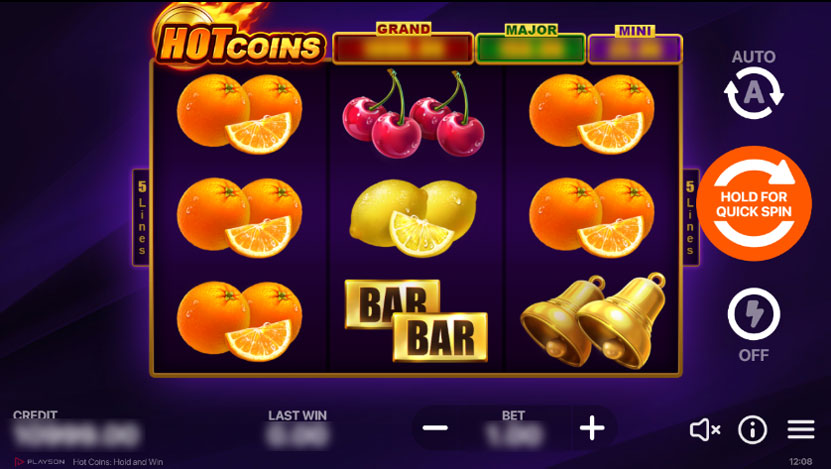
Never play under the influence of alcohol or when emotionally unsettled. We have seen rational budgets vanish because a tired mind convinced itself that the next Grand Jackpot was overdue. Keep a water bottle nearby, take a five-minute screen break every half hour, and view the session as skilled entertainment. A clear head makes a sharp player, and Hold and Win titles demand that sharpness.
We also treat the seasonal cycles with respect. New game releases often carry a built-in promotional boost period where casinos highlight them prominently. These fresh titles sometimes display a slightly more generous early seeding to attract positive word of mouth. We keep a release calendar handy and try fresh Hold and Win slots within the first week, always with a modest stake to probe the waters.
Evading Common Emotional Traps
The sunk cost fallacy hits the hardest during a extended respin drought. You have invested time and money, so walking away feels like admitting waste. We reinterpret this by convincing ourselves that the next spin is an independent event. The base game does not guarantee you a bonus just because you have endured a dry spell. Exit the tab and come back another day with a fresh mental slate.

We guard against the “just one more retrigger” greed loop. Once the Hold and Win feature has occupied a large portion of the grid and you have already claimed the Major Jackpot, grabbing the payout is wise. Striving for a final symbol that rarely appears can wreck the entire pot. We establish a target of securing seventy percent of the grid’s potential and lock in the profit.
The illusion of control deceives many players into believing that tapping the screen or altering spin speed impacts the respin outcome. We understand the algorithm does not care about your finger pressure. Embracing true randomness is liberating. It allows you to focus on the controllable elements like stake sizing, limit adherence, and game selection rather than burning energy on superstitions that have no foundation in the coded reality.
We also watch our speech patterns. Phrases like “I am due a big win” indicate emotional drifting. Replace that with “My bankroll has contracted, time to lower my bet or log out.” This linguistic shift maintains us anchored to the strategic framework. A professional mindset regards a losing session as a tuition fee for learning, not a catastrophe that requires immediate, irrational revenge betting.